Sustainability
Efficient use of resources in garden systems
Efficient use of resources in garden systems
Well-designed garden lighting and irrigation systems use resources efficiently while maintaining the functionality and aesthetic qualities that make outdoor spaces enjoyable. Our approach emphasises thoughtful design and appropriate technology choices.
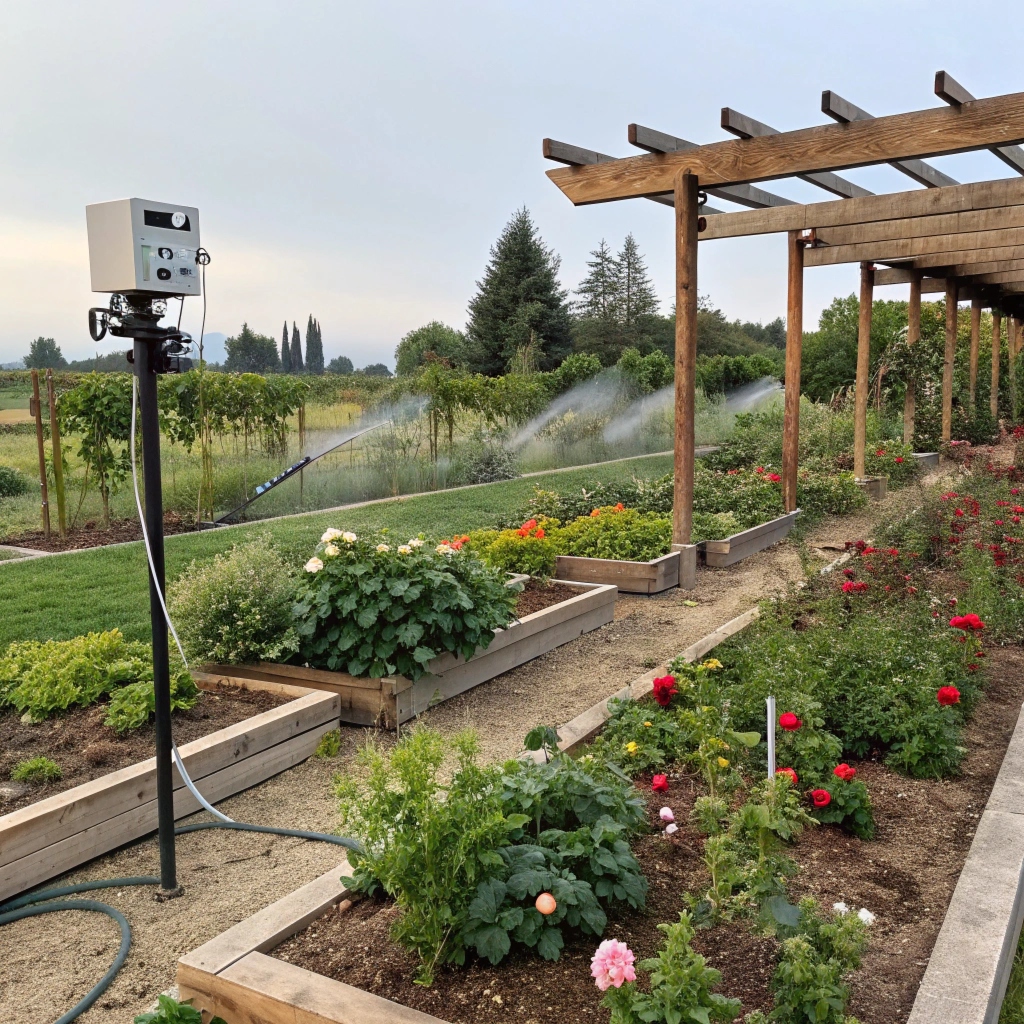
Irrigation systems can deliver water more efficiently than manual watering when properly designed and operated. Precision delivery means water goes where plants need it, reducing waste from overspray or runoff.
Drip irrigation and carefully positioned sprinklers deliver water directly to root zones. This reduces evaporation and ensures water reaches plants rather than being lost to the atmosphere or running off surfaces.
Automated systems can water during early morning hours when evaporation rates are lowest. This timing maximises water effectiveness while maintaining plant health.
Smart controllers can adjust schedules based on weather conditions, reducing irrigation during rainy periods. Moisture sensors provide additional control by preventing irrigation when soil already has sufficient water.
Different areas receive water according to their actual needs. Established plantings may receive minimal irrigation, while new plantings or vegetable gardens receive appropriate amounts.
Modern LED garden lighting provides excellent energy efficiency compared to traditional lighting technologies. LED fixtures consume less electricity while providing reliable, long-lasting illumination.
Lighting design that uses appropriate light levels and beam angles avoids over-lighting, which wastes energy and can create glare. Strategic fixture placement ensures effective coverage without excessive power consumption.
Automated controls can reduce lighting hours by turning systems on only when needed. Motion sensors or timers ensure lights operate only during appropriate times.
Durable components and proper installation contribute to sustainability by extending system life. Well-constructed systems require fewer replacements and repairs over time.
We select components known for reliability and weather resistance. Proper installation techniques ensure systems operate correctly from the start and continue functioning reliably for years.
Regular maintenance keeps systems operating efficiently and prevents issues that could lead to waste or early replacement. Well-maintained systems deliver consistent performance throughout their service life.
Sustainability begins with design. Systems planned for efficiency and appropriate scale use resources effectively from installation onward.
Understanding your garden's actual needs prevents over-engineering systems that consume more resources than necessary. Appropriate sizing ensures systems operate efficiently while meeting functional requirements.
Integration with existing garden features reduces disruption and preserves established plantings. This approach respects the garden's existing character while adding functional systems.